# Stress: The Hidden Enemy of Fat Loss
Chronic stress disrupts fat burning. Regular exercise and sleep can help control stress.
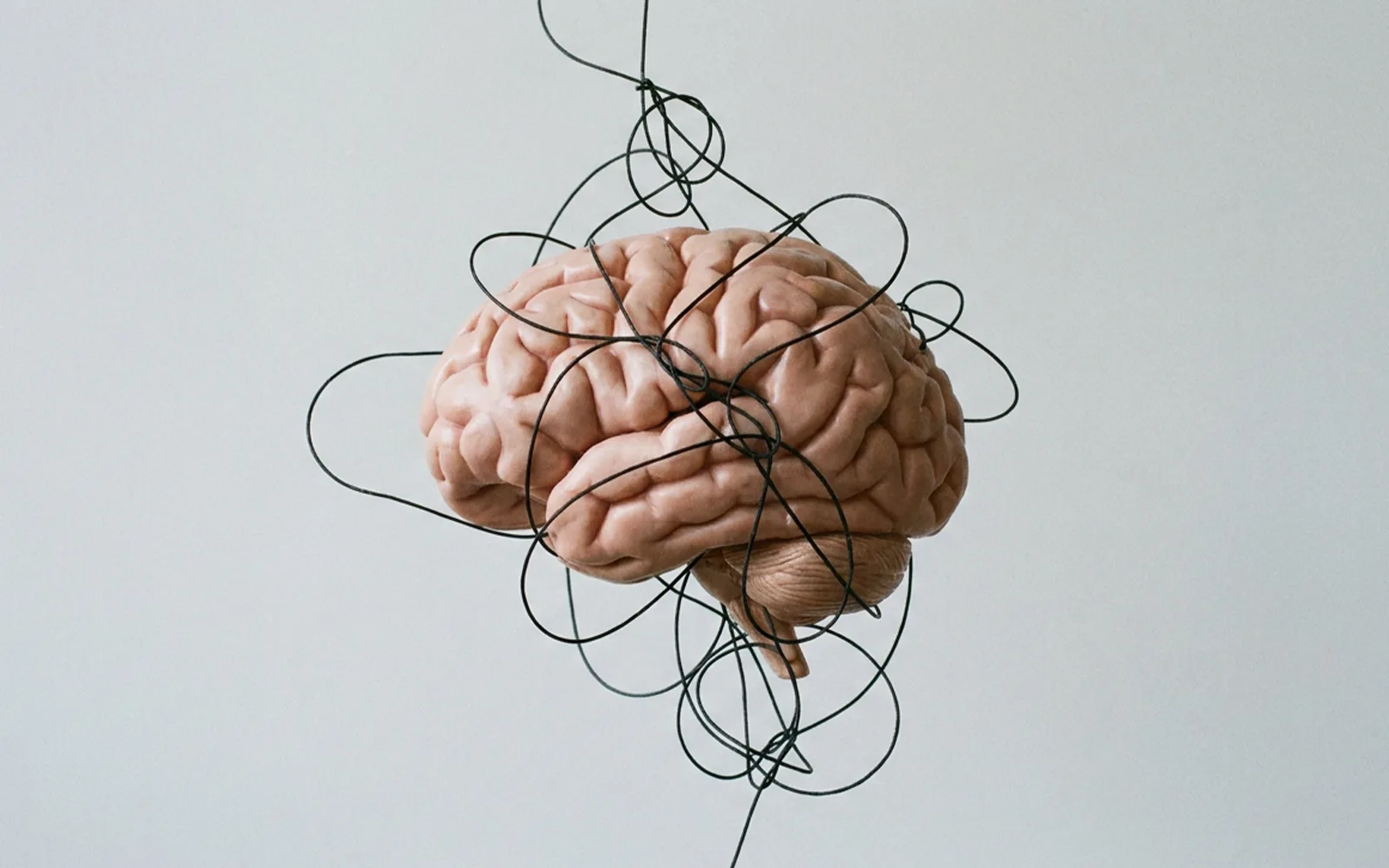
Many people believe that overeating or a lack of physical activity are the only reasons for weight gain. However, one important hidden factor that often gets overlooked is chronic stress. When the body remains under stress for extended periods, it produces higher levels of a hormone called cortisol. In the short term, cortisol is essential for helping the body respond to challenging situations. However, when its levels remain elevated for weeks or months, it can interfere with the body’s ability to lose fat.
Elevated cortisol levels can increase appetite, particularly cravings for sugary and high-fat foods. Many people unconsciously consume more calories when they are stressed. In addition, cortisol may promote fat storage around the abdomen and increase the likelihood of visceral fat accumulation. This is particularly concerning because visceral fat is associated with a higher risk of heart disease, diabetes, and fatty liver disease.
Chronic stress can also reduce sleep quality, interfere with the body’s recovery processes, and even decrease motivation to exercise. As a result, someone may follow a healthy diet but still experience slower-than-expected weight loss because of ongoing stress.
Fortunately, there are effective ways to break this cycle. Regular physical activity, adequate sleep, breathing exercises, meditation, healthy social connections, and better time management can all help reduce stress. Even a 30-minute walk each day can have a meaningful impact on stress levels.
If you have been trying to lose weight for a long time without seeing the results you want, your diet may not be the only issue. Sometimes, calming your mind can be just as important as training harder when it comes to reaching your goals.
References
Endocrine Reviews.
Nature Reviews Endocrinology.
American Psychological Association.
Chrousos GP. Stress and Metabolic Disease.


0comments