Does Consuming Too Much Protein Damage Your Kidneys?
High protein intake doesn't harm healthy kidneys, new research confirms.
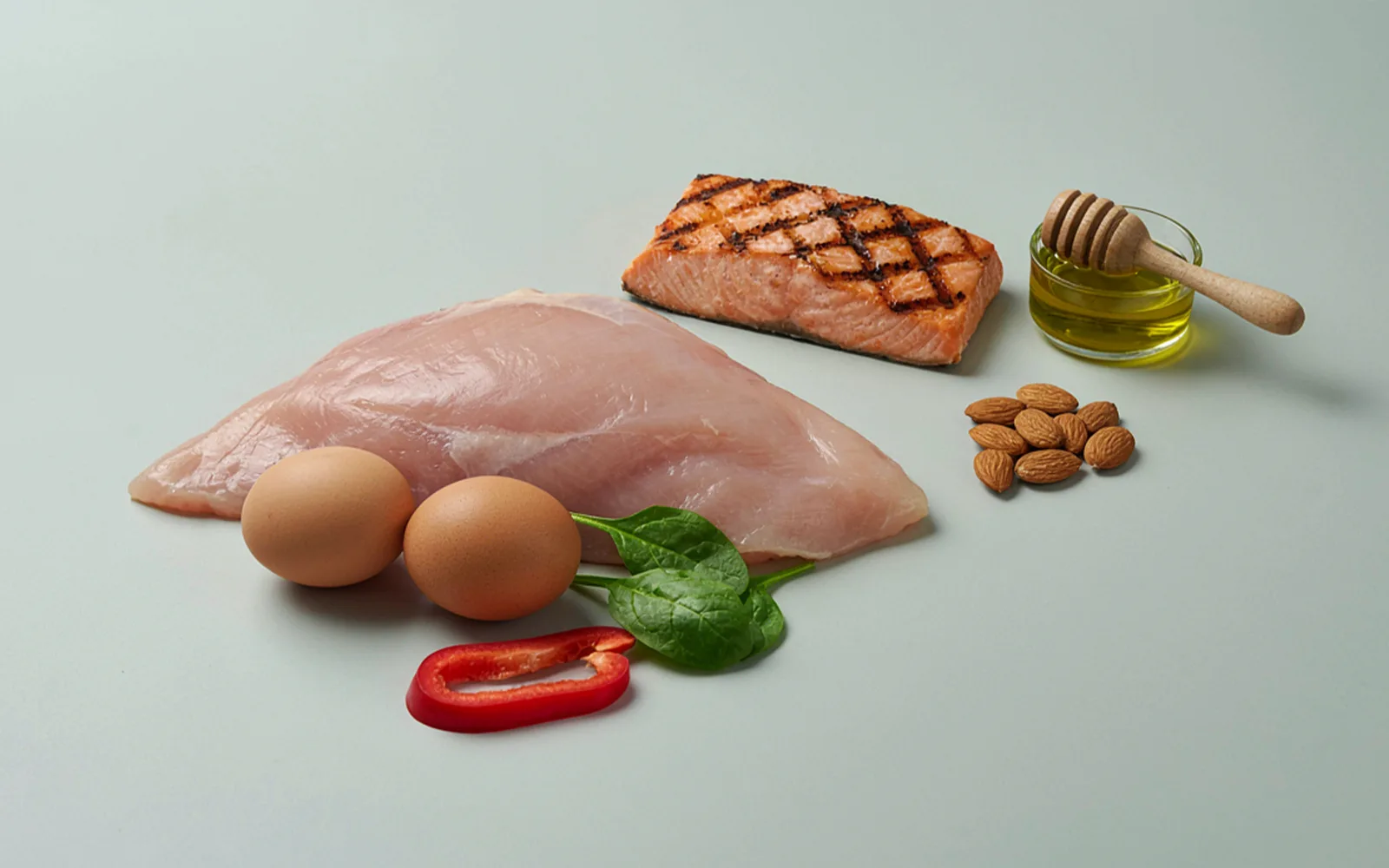
One of the most common misconceptions in the world of nutrition is that high-protein diets damage the kidneys. You may have heard the statement, “Too much protein will destroy your kidneys.” But is there actually scientific evidence to support this claim?
Current research suggests that, in healthy individuals, there is no convincing evidence that a high-protein diet, within commonly studied intake ranges, causes kidney damage.
When you consume more protein, your kidneys work harder to eliminate the waste products generated by protein metabolism. This can lead to an increase in kidney filtration, known as glomerular hyperfiltration. However, this response is generally considered a normal physiological adaptation and does not necessarily indicate kidney damage.
Physically active individuals, particularly those who perform resistance training, often need more protein than sedentary individuals to support muscle growth, repair, and maintenance.
Many leading sports nutrition organizations recommend approximately 1.2–2.2 grams of protein per kilogram of body weight per day for physically active individuals, depending on their training goals and activity levels.
However, there is an important exception.
People with chronic kidney disease or reduced kidney function may need to adjust their protein intake under the supervision of a physician or registered dietitian. In these individuals, excessive protein consumption may increase the workload on the kidneys and potentially worsen existing kidney problems.
Protein quality also matters. Choosing sources such as fish, chicken, eggs, dairy products, legumes, and lean meats is generally preferable to regularly consuming processed meats such as sausages and deli meats.
Maintaining adequate hydration is also important for normal kidney function.
Ultimately, if you are healthy and physically active, there is no need to be afraid of protein consumption within appropriate amounts.
In fact, major risk factors for kidney disease include uncontrolled diabetes, high blood pressure, obesity, smoking, and chronic dehydration — not necessarily a properly planned high-protein diet.
The key is not to avoid protein, but to consume the right amount based on your health, activity level, and individual needs.
References
Journal of Nutrition.
Journal of the International Society of Sports Nutrition (JISSN).
American Journal of Clinical Nutrition.
Antonio J, et al. A High Protein Diet Has No Harmful Effects: A One-Year Crossover Study. PubMed.

0comments