The Gut Microbiome: Can Your Gut Bacteria Affect Your Weight?
Gut microbiome affects weight and metabolism. A healthy diet and exercise are essential for its well-being.
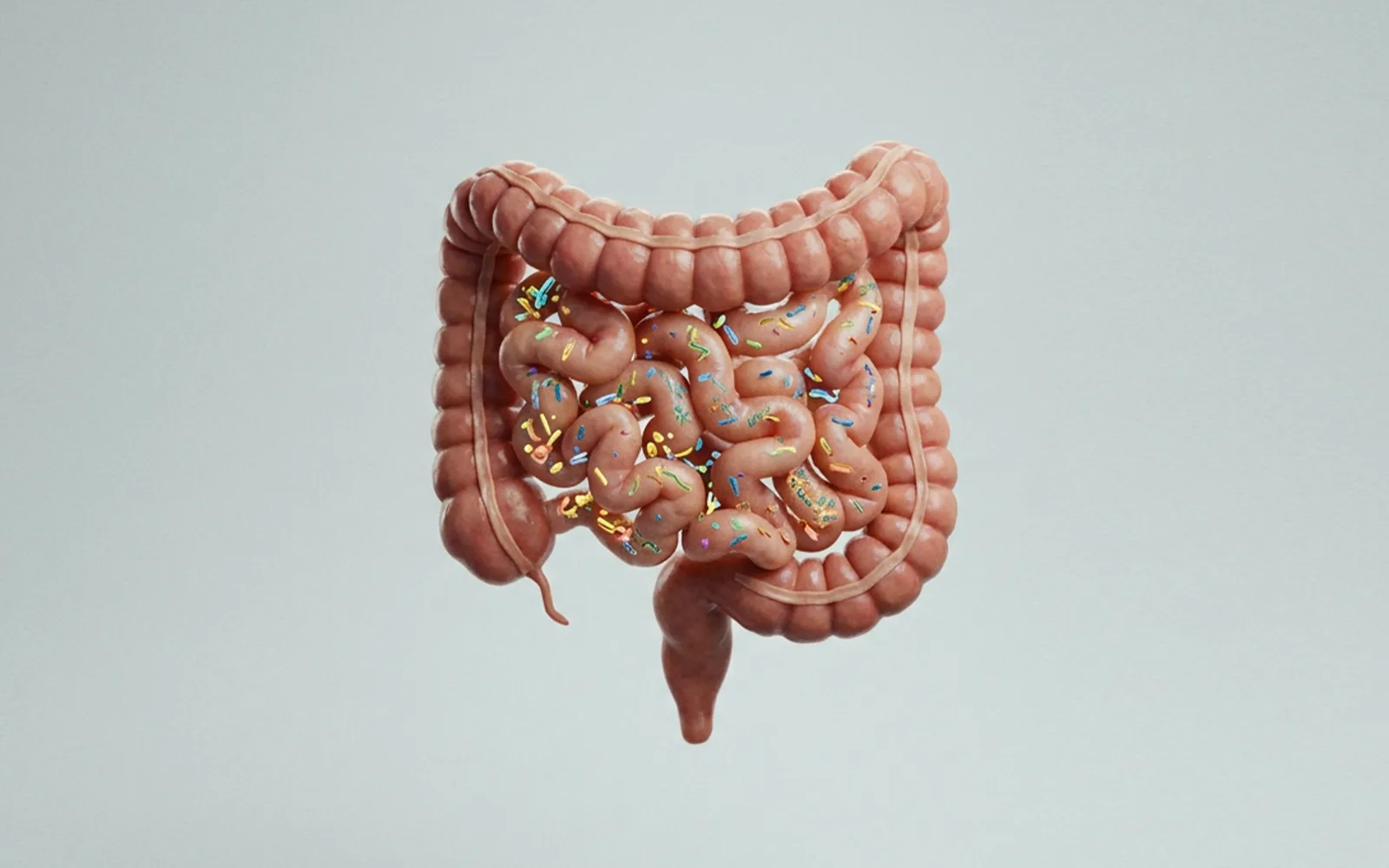
The human body is home to trillions of bacteria, most of which live in the gut. The collection of these microorganisms is known as the gut microbiome. Until a few years ago, these bacteria were thought to play a role only in digestion. Today, however, we know that they can influence body weight, the immune system, mood, appetite, and even brain function.
Research suggests that people with greater gut bacterial diversity tend to have healthier metabolic profiles and a lower risk of obesity. In contrast, diets high in ultra-processed foods and sugary drinks but low in fiber can disrupt the balance of the gut microbiome.
Beneficial gut bacteria produce short-chain fatty acids that help regulate inflammation, improve insulin sensitivity, and influence appetite. This means that the quality of your diet affects not only how many calories you consume but also the health and balance of your gut bacteria.
To support a healthy gut microbiome, experts recommend eating plenty of vegetables, fruits, whole grains, legumes, and fermented foods such as yogurt and kefir, along with engaging in regular physical activity. Contrary to what many people believe, no probiotic supplement can replace the benefits of a healthy, balanced diet.
Today, many researchers believe that the future of obesity treatment will involve much more than simply counting calories. A better understanding of the gut microbiome may open up new approaches to preventing and treating metabolic diseases.
References
Nature Reviews Gastroenterology & Hepatology.
Cell.
Gut.
PubMed – Reviews on the Gut Microbiome and Obesity.


0comments