Should You Eat Less or Eat Smarter to Lose Weight?
Lose weight by eating smarter, not less. Increase protein and fiber intake for success
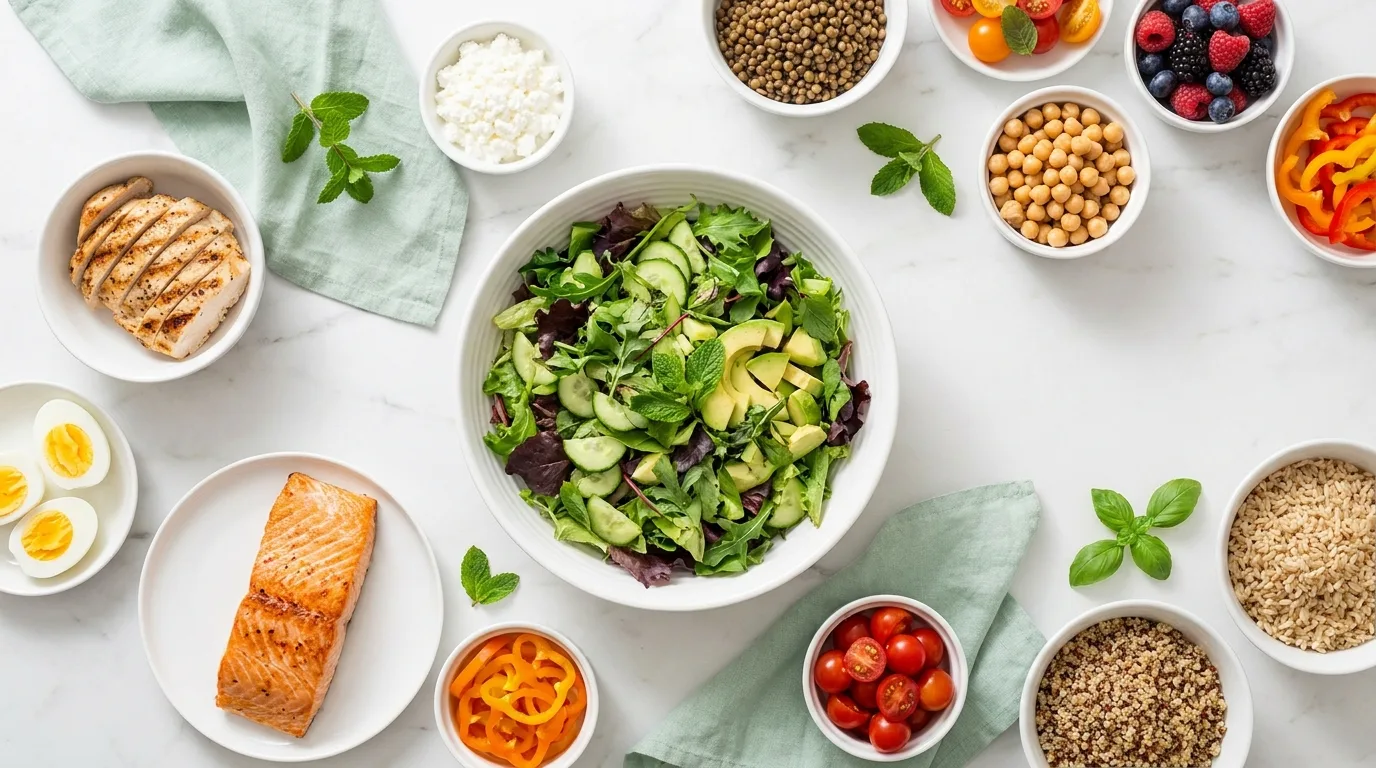
Many people believe that the key to weight loss is simply eating less. However, scientific evidence suggests that successful weight management is not only about reducing food intake but also about making smarter food choices.
Weight loss occurs when the body uses more energy than it consumes. While creating a calorie deficit is essential, relying solely on severe food restriction often leads to hunger, poor adherence, and eventual weight regain.
One of the most effective strategies is increasing protein intake. Foods such as chicken, fish, eggs, low-fat dairy products, and legumes help promote fullness, preserve lean muscle mass, and improve appetite control during weight loss.
Dietary fiber is equally important. Vegetables, fruits, whole grains, and legumes slow digestion and increase satiety, helping people naturally consume fewer calories throughout the day.
Choosing foods with a low energy density can also make a significant difference. For example, a large salad with lean protein may contain fewer calories than a slice of cake while providing much greater fullness.
On the other hand, ultra-processed foods—including sugary drinks, chips, pastries, and many fast foods—are often high in calories and easy to overconsume, making weight management more difficult.
Lifestyle factors also matter. Adequate sleep, stress management, and regular resistance training support appetite regulation, preserve muscle mass, and improve long-term weight loss outcomes.
Ultimately, the best diet is one that you can maintain consistently. Prioritizing whole foods, sufficient protein, high-fiber meals, and minimizing ultra-processed foods offers a sustainable and evidence-based approach to achieving and maintaining a healthy weight.
Scientific References
- Hall KD, et al. Ultra-Processed Diets Cause Excess Calorie Intake and Weight Gain. Cell Metabolism. 2019.
- Leidy HJ, et al. The Role of Protein in Weight Loss and Maintenance. American Journal of Clinical Nutrition. 2015.
- Rolls BJ. Dietary Energy Density and Weight Management. Nutrition Reviews. 2017.
0comments